




The Great Plague Primary Resource
Learn all about the plague that devastated 17th century London
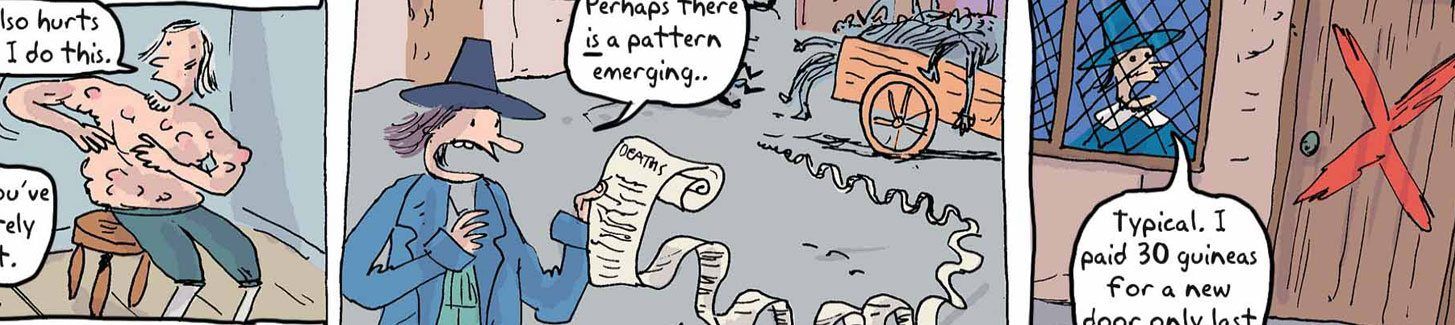
This History primary resource explores the Great Plague of London. Learn how the epidemic of the bubonic plague took control of the city. When did the Great Plague epidemic take place? How many lives did it take? What were the symptoms of the Black Death?
Pupils will learn about the effects of the Great Plague and the efforts made to control the spread of the disease in our National Geographic Kids History primary resource sheet.
The teaching resource can be used in study group tasks for a simple overview of the Great Plague. It can be used as a printed handout for each pupil to read themselves, or for display on the interactive whiteboard, as part of a whole-class reading exercise.
Activity: Ask the children to imagine that they are a doctor during the time of the Great Plague, and set them the task of writing an account of a visit to a patient. They could write their account in the form of “A Day in the Life of a Doctor during the Great Plague”, describing their experiences from waking up until to going to bed. What do they wear for their visit? What do they see and smell in the city streets? What symptoms does their patient have? How do they feel?
N.B. The following information for mapping the resource documents to the school curriculum is specifically tailored to the English National Curriculum and Scottish Curriculum for Excellence. We are currently working to bring specifically tailored curriculum resource links for our other territories; including South Africa, Australia and New Zealand. If you have any queries about our upcoming curriculum resource links, please email: schools@ngkids.co.uk
This History primary resource assists with teaching the following History objectives from the National Curriculum:
Pupils should be taught to:
- Know and understand the history of these islands as a coherent, chronological narrative
- Gain historical perspective by placing their growing knowledge into different contexts, understanding the connections between local, regional, national and international history; between cultural, economic, military, political, religious and social history; and between short- and long-term timescales
National Curriculum Key Stage 1 History objective:
- Pupils should be taught: significant historical events, people and places in their own locality
National Curriculum Key Stage 2 History objective:
- Pupils should be taught a study of an aspect or theme in British history that extends pupils’ chronological knowledge beyond 1066
This History primary resource assists with teaching the following Social Studies Second level objective from the Scottish Curriculum for Excellence:
- I can discuss why people and events from a particular time in the past were important, placing them within a historical sequence
- I can compare and contrast a society in the past with my own and contribute to a discussion of the similarities and differences
Download primary resource
Note: This is a subscriber-only benefit. If you have an active subscription, please log into your online account to download the files.

More Like






LEAVE A COMMENT
THANK YOU
Your comment will be checked and approved shortly.
WELL DONE,
YOUR COMMENT
HAS BEEN ADDED!
COMMENTS
Myria Karlovich
I am so happy to belong to this community of readers and teachers.Mostly when when we know National Geographic IS ONE OF THE BEST
CUSTOMIZE YOUR AVATAR