




MOST POPULAR

SPONSORED

How to make a water clock

Head back in time with this cool science experiment!

How did people measure time before the invention of clocks or stopwatches? Well, the Ancient Greeks used a water clock called a clepsydra – and you can, too!


How to make a water clock
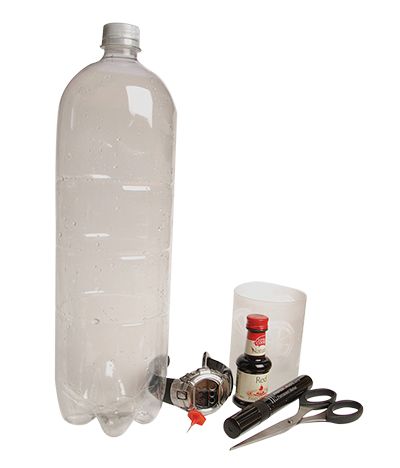
A large empty plastic bottle, a roll of tape, a small bottle of red food coloring, a black marker, scissors, and a clear plastic cup—everything you need for learning how to make a water clock—are arranged on a white surface.

What you’ll need…

Large, clear plastic bottle
Scissors
Drawing pin
Marker pen
Food colouring
Stopwatch

Step 1
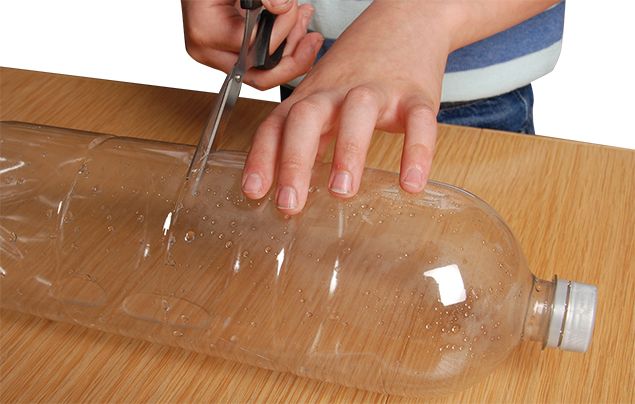
A person demonstrates how to make a water clock by using scissors to cut a large empty plastic bottle placed on a wooden surface.

First, roughly measure halfway down the bottle, then carefully cut the bottle in two using the scissors. This can be tricky, so ask an adult to help.


Step 2
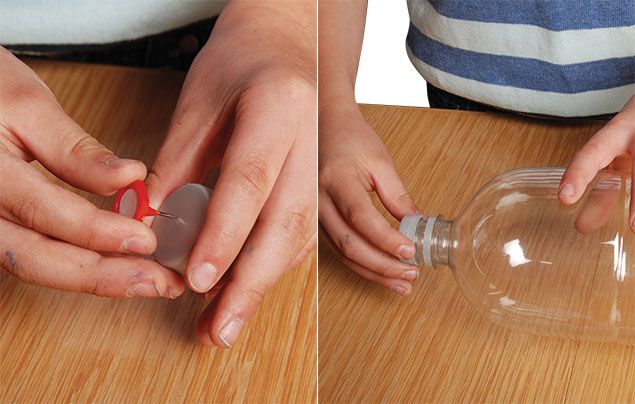
Two images side by side: The left shows hands poking a hole in a plastic bottle cap with a nail, and the right demonstrates how to make a water clock by screwing the cap onto an empty plastic bottle on a wooden surface.

Now, unscrew the top of the bottle and make a small hole in it using the drawing pin – ask an adult to help. Then put the lid back on the bottle.


Step 3
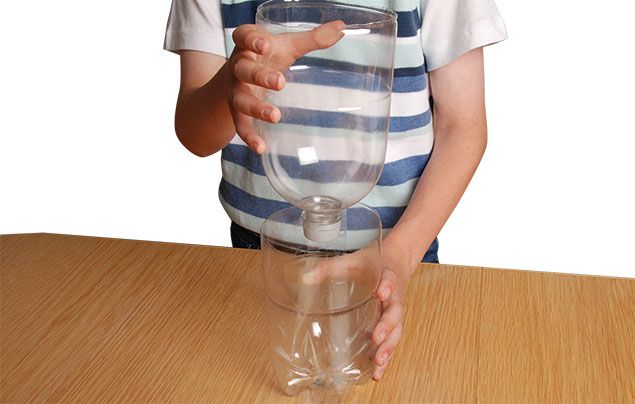
A child in a striped shirt holds two clear plastic bottles, one upside down on top of the other, over a wooden table. The bottles are connected at their openings, demonstrating how to make a water clock.

Next, turn the top half of the bottle upside down and place it inside the bottom half, so that the bottle top is facing downwards.


Step 4
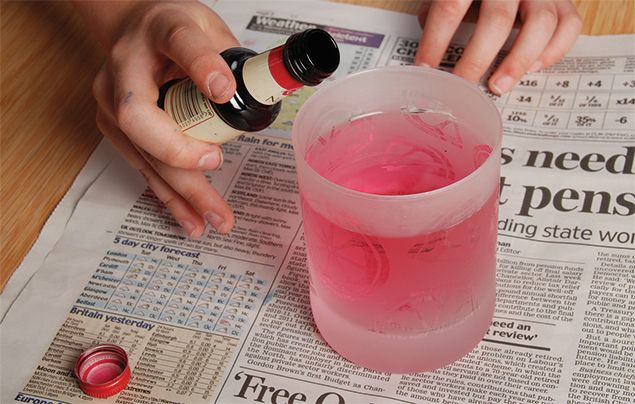
A person adds liquid from a small bottle into a frosted cup filled with pink liquid, set on a newspaper spread out on the table—much like following steps in how to make a water clock.

Now, mix a few drops of the food colouring into a pint of water, and then have your stopwatch at the ready!


Step 5
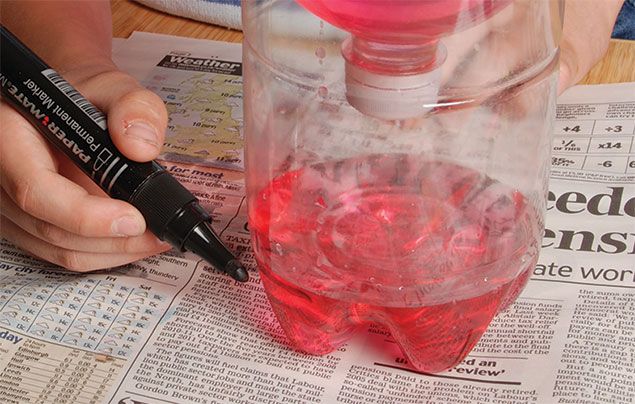
A hand holds a black permanent marker next to a plastic bottle with pink liquid, standing on newspaper—a perfect setup for learning how to make a water clock.

Pour the water into the top of the bottle and then start timing. Each time a minute passes, mark a line at the water level of the bottom bottle.


Step 6
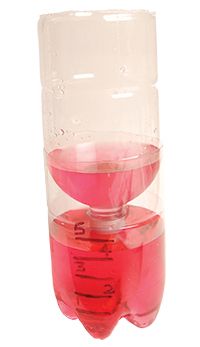
A plastic bottle cut in half, with the top half inverted into the bottom half to form a funnel—an essential step in learning how to make a water clock. The bottle contains pink liquid up to the 4-mark, with measurement lines visible below.

Once all the water has passed into the bottom bottle, pour the water back into the top half and count off the minutes as the water pours down. Clever!
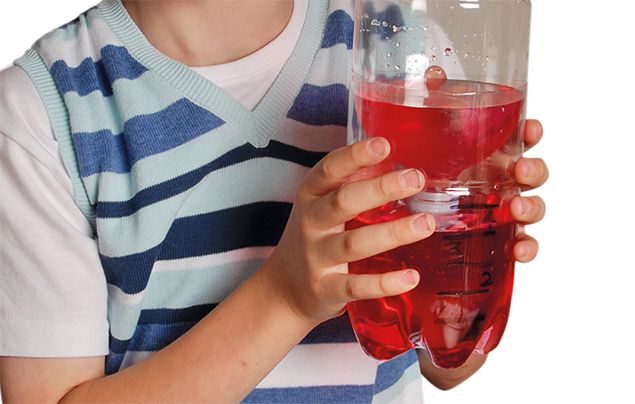
A child wearing a blue and white striped shirt holds a clear plastic bottle filled with red liquid, marked with black measurement lines—an inventive way to learn how to make a water clock.

Did you know…? Water clocks are thought to be one of the oldest time-measuring devices in the world – some have been found that date back to the 14th century B.C!


Did you like our how to make a water clock feature? Let us know what you think by leaving a comment, below!

Like icon Likes

LEAVE A COMMENT

THANK YOU

Your comment will be checked and approved shortly.

Close Icon

WELL DONE,
YOUR COMMENT
HAS BEEN ADDED!

COMMENTS1

  • User badge
  • User badge
  • User badge
  • User badge
  • User badge
  • User badge
  • User badge
  • User badge
  • User badge
  • User badge
  • User badge
  • User badge
  • User badge
  • User badge
  • User badge
  • User badge
  • User badge
  • User badge
  • User badge
  • User badge
  • User badge
  • User badge
  • User badge
  • User badge
  • User badge
  • User badge
  • User badge
  • User badge
  • User badge
  • User badge
  • User badge
  • User badge
  • User badge
  • User badge
  • User badge
  • User badge
  • User badge
  • User badge
  • User badge
  • User badge
  • User badge
  • User badge
  • Hahaha

  • User badge
  • Cat9

    Cool

  • User badge
  • Cat9

    Cool

  • Ana

    I like this

  • Quinn

    This was so much fun

  • User badge
  • User badge
  • User badge
  • User badge
  • User badge
  • User badge
  • User badge
  • User badge
  • User badge
  • User badge
  • User badge
  • User badge
  • User badge
  • User badge
  • User badge
  • User badge
  • User badge
  • User badge
  • User badge
  • User badge
  • User badge
  • User badge
  • User badge
  • User badge
  • User badge
  • User badge
  • User badge
  • User badge
  • User badge
  • User badge
  • User badge
  • User badge
  • User badge
  • User badge
  • User badge
  • User badge
  • User badge
  • User badge
  • User badge
  • User badge
  • User badge
  • User badge
  • User badge
  • User badge
  • User badge
  • User badge
  • User badge
  • User badge
  • User badge
  • User badge
  • User badge
  • User badge
  • User badge
  • User badge
  • User badge
  • User badge
  • User badge
  • User badge
  • User badge
  • User badge
  • User badge
  • User badge
  • User badge
  • User badge
  • User badge
  • User badge
  • User badge
  • User badge
  • User badge
  • User badge
  • User badge
  • User badge
  • User badge
  • User badge
  • User badge
  • User badge
  • User badge
  • User badge
  • User badge
  • User badge
  • User badge
  • User badge
  • User badge
  • User badge
  • User badge
  • User badge
  • User badge
  • User badge
  • User badge
  • User badge
  • User badge
  • User badge
  • User badge
  • User badge
  • User badge
  • User badge
  • User badge
  • User badge
  • User badge
  • User badge
  • User badge
  • User badge
  • User badge
  • User badge
  • User badge
  • User badge
  • User badge
  • User badge
  • User badge
  • User badge
  • User badge
  • User badge
  • User badge
  • User badge
  • User badge
  • User badge
  • User badge

More Like Uncategorized

Winnie The Witch

Help Winnie go around her castle collecting ingredients for the counter-spell so that she can return the things to normality, but be careful not to let the laundry touch her!