






Recycling Primary Resource
Find out what happens to the things in your bin, and why it makes sense to recycle…
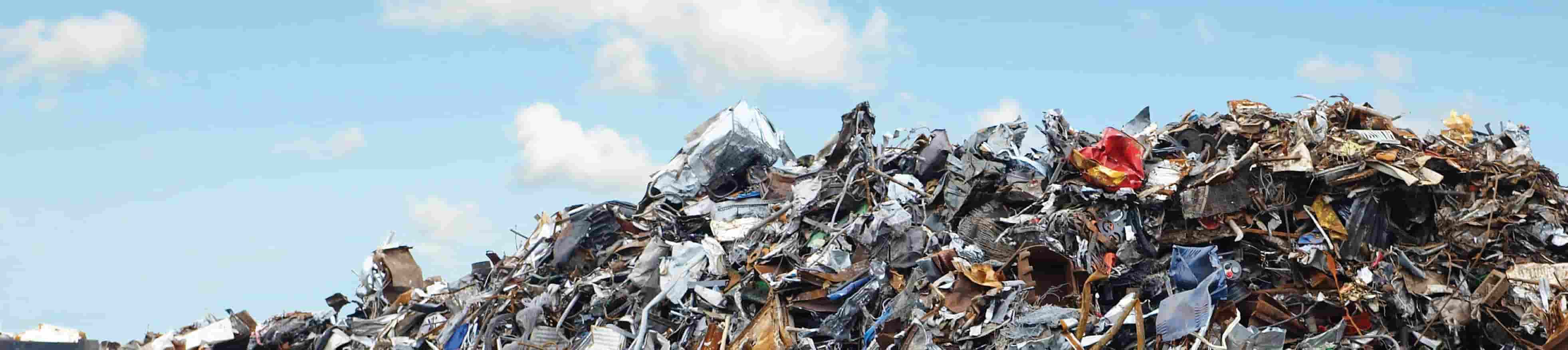
This primary resource helps children learn all about recycling. Discover what happens to our household waste and why it is important to reduce, re-use and recycle. Where does most of our rubbish end up? How much of it can be recycled? How does the recycling process work? What are the ‘Do’s and Don’ts’ of recycling?
Using our National Geographic Kids recycling primary resource, pupils will learn about how our waste is managed. Through a colourful, illustrated diagram they will also learn about the recycling process itself and discover what becomes of waste paper, plastic, metal and glass at recycling factories.
The teaching resource can be used in study group tasks as a printed handout for each pupil to review and annotate, or for display on the interactive whiteboard using the images included in the resource for class discussion.
Activity: Encourage children to re-use and recycle by asking them to think about the items they usually throw away. Can they be washed out and used again? Pupils could bring into class re-usable waste to make something useful and/or artistic. Examples could be: a piggy bank from a plastic bottle; a pen holder from a jar, a plant pot from an old welly or decorations from metal bottle tops. Be as creative as possible!
This Science primary resource assists with teaching the following Key Stage 2 Science objectives from the National Curriculum:
Pupils should be taught to:
- Recognise that environments can change and that this can sometimes pose dangers to living things.
This Science primary resource assists with teaching the following Science Studies Third level objective from the Scottish Curriculum for Excellence:
-
I can explain some of the processes which contribute to climate change and discuss the possible impact of atmospheric change on the survival of living things.
Scottish Curriculum for Excellence First level Social Studies objectives:
- By exploring climate zones around the world, I can compare and describe how climate affects living things.
Scottish Curriculum for Excellence Fourth level Social Studies objectives:
-
-
- I can identify threats facing the main climate zones, including climate change, and analyse how these threats impact on the way of life.
- I can carry out a geographical enquiry to assess the impact and possible outcomes of climate change on a selected region and can propose strategies to slow or reverse the impact.
-
Download primary resource
Note: This is a subscriber-only benefit. If you have an active subscription, please log into your online account to download the files.








LEAVE A COMMENT
THANK YOU
Your comment will be checked and approved shortly.
WELL DONE,
YOUR COMMENT
HAS BEEN ADDED!
COMMENTS
CUSTOMIZE YOUR AVATAR